Top Health News

California’s Billionaire Tax Promises Healthcare Relief. The Fine Print Is Murkier.
An initiative on the California ballot would levy the nation’s first wealth tax on billionaires. Supporters say the proceeds would help offset President Donald Trump’s sweeping healthcare cuts. But critics argue that the temporary infusion of cash is a giveaway to politicians.
The Sometimes-Awkward Art of Asking for a Second Opinion
A doctor has recommended a course of action that is invasive, expensive, or somehow different from what you'd prefer. Is it OK to get a second opinion? The answer is yes. Here’s how to make the ask a little less awkward.

Fears About Kids’ Online Safety Unite Democrats and Republicans
Amid a decline in youth mental health, momentum builds for a federal crackdown on social media companies over protections for kids.
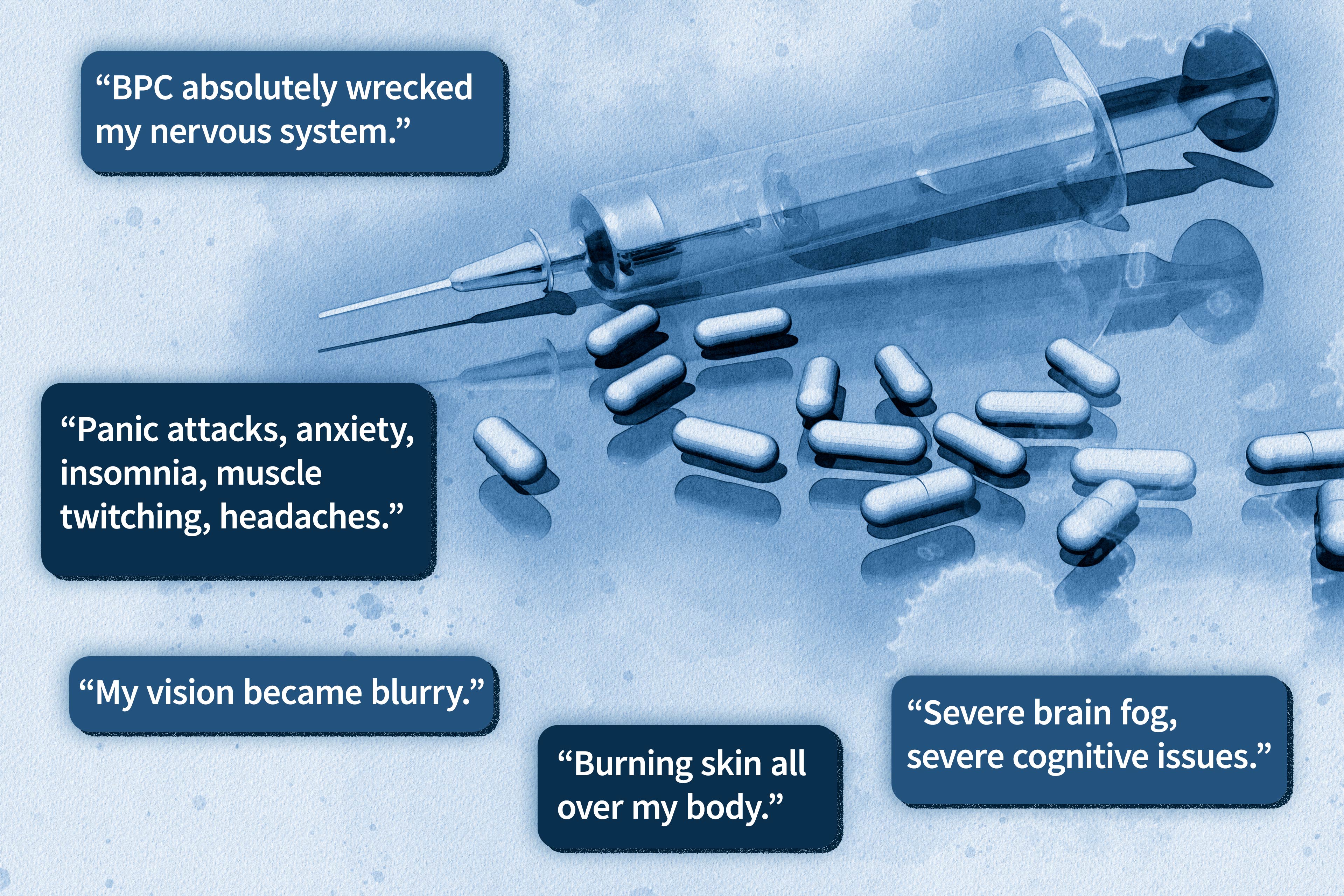
People Say These Peptides Hurt Them. Their Stories Are Muffled in MAHA’s Push for Medical Freedom.
People who have taken experimental peptides, such as BPC-157, complain of migraines, eye pain, fatigue, and more. Learning whether these popular but unproven drugs are to blame may become harder if Robert F. Kennedy Jr. fulfills a promise to make them more accessible.
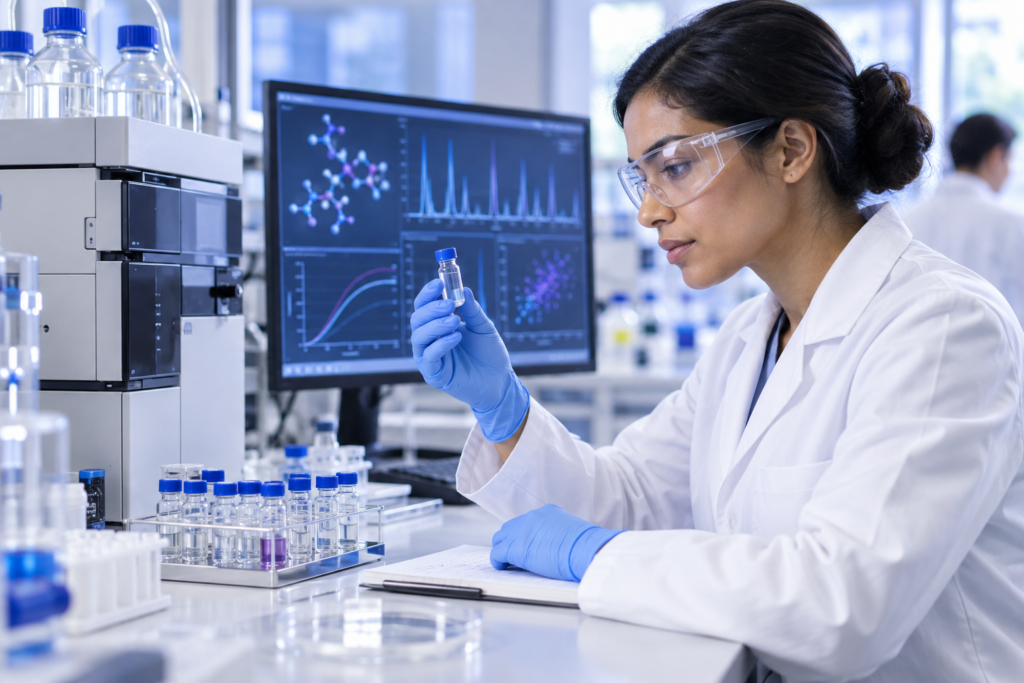
The Importance of Quality in Scientific Research
Scientific research is important as it helps people make the right decisions and solve problems. But helpful discoveries often rely on more than just getting good results. Good research doesn't just depend on honest reporting. It also depends on clear analysis — especially in fields that require accurate methods and transparent findings. Here is what makes research truly high quality and why it matters beyond the laboratory. The post The Importance of Quality in Scientific Research appeared first on Health and Natural Healing Tips.

The Hidden Dangers of Self-Medicating for Social Anxiety: What You Need to Know
Social anxiety affects approximately 12% of adults. Learn why quick fixes create bigger problems and discover evidence based strategies that build lasting confidence without the risks of substance use. The post The Hidden Dangers of Self-Medicating for Social Anxiety: What You Need to Know appeared first on Health and Natural Healing Tips.

Aug 1, 2025
How Mindfulness Can Improve Mental Health

How Microherbs Differ from Microgreens: Everything You Need to Know
Microherbs and microgreens look similar, but they’re harvested at different stages, boast distinct flavors, and carry unique nutritional perks. In this guide you’ll learn how to tell them apart, why chefs love the concentrated taste of microherbs, and how to grow or source both varieties for maximum health and culinary impact. The post How Microherbs Differ from Microgreens: Everything You Need to Know appeared first on Health and Natural Healing Tips.

A Celebration of Good Health!
What Makes Superior Source UNIQUE: They’re Clean…Pure & Simple! Superior Source Vitamins are MicroLingual® – “Under the Tongue Technology” that works fast, as they are quickly absorbed into the body, dissolving in seconds – NO pills to swallow or water needed! By swallowing supplements, as much as 50% of the potency is lost in the high-acid environment of the stomach. Only clean ingredients – just the way nature intended! No pills to swallow – dissolves in seconds GMO-FREE, No Chemicals 90% smaller than regular vitamins No binders, fillers, dyes, or preservatives Only 3 clean ingredients Over 120+ vitamins to choose from No water needed Introducing Superior Source Vitamins: Your Essential Sunshine in a Bottle! ???? Hey there, all you cool cats and summer dreamers! With the sun shining bright and the good vibes rolling in, it’s time to elevate your health game with Superior Source Vitamins. As we dive headfirst into the season of fun and frolic, let me paint you a picture of how these little powerhouses can rev up your summer experience like never before! Vitamin D3 – Let the Sunshine In! Imagine soaking up the sun’s rays while also boosting your bone health, mood, and immune system. Vitamin D3 is like bottled sunshine, ensuring your summer days are full of energy, vitality, and that oh-so-sought-after glow. Don’t let the sun go down on your Vitamin D levels this summer – stay shining with Superior Source! Vitamin C – The Ultimate Summer Shield As you bask in the summer sun... The post A Celebration of Good Health! appeared first on Health and Natural Healing Tips.


Oct 15, 2026